

Booking Health Releases 2026 Report on Advanced Head and Neck Cancer Treatment for International Patients
Langenfeld, Germany, April 08, 2026 (GLOBE NEWSWIRE) -- Booking Health, a global medical travel provider, announced today the release of its 2026 report on advanced head and neck cancer treatment for international patients, outlining key developments in minimally invasive surgery, regional chemotherapy techniques, and immunotherapy-based approaches. The report highlights how evolving treatment strategies are improving precision, reducing side effects, and expanding care options for patients across different stages of the disease.
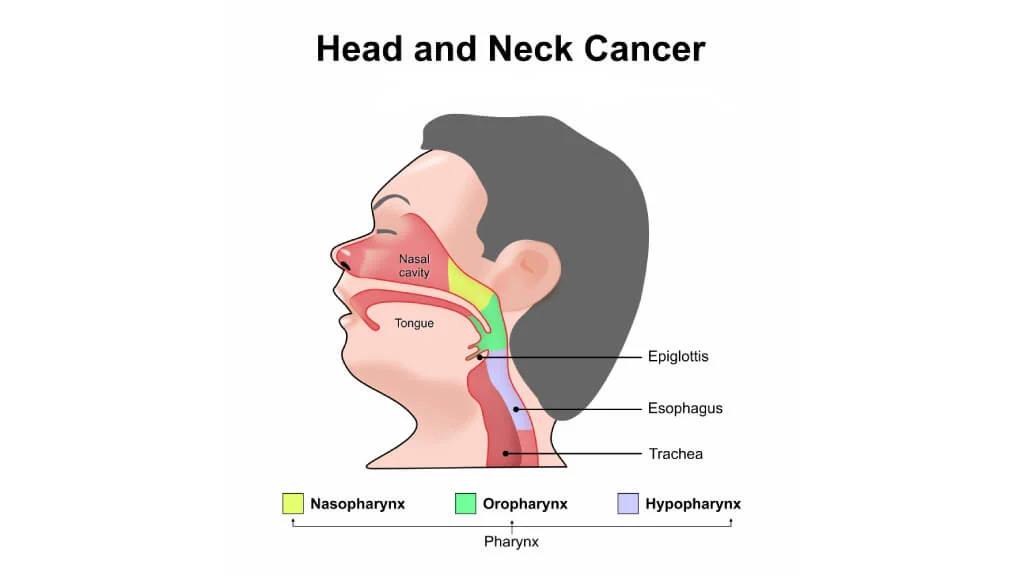
Head and Neck Cancer
Head and neck cancer (HNC) accounts for nearly 1 million cases a year, according to GLOBOCAN. The 5-year survival rate varies depending on the stage at diagnosis, with 87.4% for localized cancer, and up to 40.3% if the cancer is advanced.
Head and neck cancer treatments have transformed over the years. From a one-size-fits-all approach that relied on surgery, radiation, and chemotherapy to more personalized, immune-based, and less toxic treatments, resulting in notable improvements in survival and quality of life. Therapy of HNC in 2026 also offers a wider range of options, greater precision, and hope even at later stages of the disease.
What is Head and Neck Cancer
HNC is a broad group of malignancies of the upper aerodigestive tract, including cancers of the lip, oral cavity, nasal cavity, larynx, nasopharynx, oropharynx, hypopharynx, and salivary glands. Histologically, according to Nature Reviews Disease Primers, more than 90% of all cases are squamous cell head and neck cancer, which develops from the epithelial lining of these structures.
The development of head and neck cancer is strongly associated with a combination of lifestyle factors, environment, infections, and genetics. There is a list of factors that can significantly increase the risk of developing HNC:
- HPV infection
- Long-term smoking and regular alcohol consumption
- Chronic inflammation of the mucous membranes
- Genetic predisposition
- Air pollution and industrial carcinogens
- Weak immune system
Together, they contribute to the malignant transformation of epithelial cells in the mouth, nose, oropharynx, larynx, trachea, and salivary glands.
Diagnostic Process and Symptoms of Head and Neck Cancers
The early symptoms of HNC almost always go unnoticed, as many patients can interpret them as a common cold, benign ulceration, or sore throat irritation. Also, they depend highly on localization:
- Oropharyngeal cancer. A sensation of a foreign body, sore throat, difficulties swallowing, and enlarged cervical lymph nodes
- Nasopharyngeal cancer. Nasal bleeding, persistent nasal congestion on one side, pressure sensation in the nasopharynx, and enlarged cervical nodes
- Laryngeal cancer. Voice changes, hoarseness, painful swallowing, and difficulty breathing
- Salivary gland cancer. Painless node growth and facial asymmetry with possible facial nerve paresis
- Trachea cancer. Stridor, cough, and worsening shortness of breath
Yes, these symptoms can occur with respiratory conditions and other benign diseases, but it is important to seek a doctor's evaluation if they persist for more than a few weeks.
Modern oncological strategy uses a comprehensive approach that includes clinical examination, biopsy, endoscopy, and imaging methods to diagnose and stage HNC. Early cancer diagnosis plays a vital role in ensuring better treatment outcomes and increased chances of survival. Catching it early can make all the difference in the journey toward recovery.
Some of the most efficient diagnostic procedures are:
- Clinical examination and initial evaluation
- Biopsy and histological examination
- Endoscopic examination
- Imaging: CT, MRI, PET-CT
The selection of a particular method depends on tumor localization, size, and suspicion of metastasis. Often, CT combined with PET-CT provides the most accurate disease staging. Integrating clinical examination, biopsy, endoscopy, and imaging offers a comprehensive basis for treatment planning. This is vital for deciding the appropriate course of treatment for head and neck cancer.
Key Innovations in Head and Neck Cancer Treatment
Can head and neck cancer be cured? Many patients are asking such questions, but the answer increasingly depends on early detection and access to modern therapies. The goal is to eradicate cancer, preserve healthy tissues and functions (speech, swallowing, and breathing), and give the patient a chance to return to their daily activities and maintain quality of life.
Standard Treatments for the Head and Neck Malignancies
The HNC cancer management traditionally relied on conventional approaches like surgery, chemotherapy, and radiation. However, using them either alone or together can sometimes lead to feelings of depression, social isolation, and an increased risk of suicidal thoughts, especially for those who have experienced notable cosmetic and functional challenges due to the treatment.
The conventional therapy of HNC consists of:
- Traditional surgery. It is associated with large incisions, long recovery and rehabilitation, and possible functional impairment.
- Radiation therapy. Used after the surgery to destroy residual cancer cells, but it can cause long-lasting damage to the mouth, larynx, and salivary glands, affecting nutrition, speech, and quality of life.
- Systemic chemotherapies. It destroys cancer cells throughout the body, but patients often experience severe intoxication, fatigue, nausea, and loss of appetite, which limits the ability to use doses of drugs high enough for effective treatment.
Surgery Head and Neck Cancer: Less Invasive, More Precise
Surgical interventions are a crucial step towards full cancer elimination in the first stages and symptom management during advanced tumor growth. The modern approach prioritizes minimally invasive and technology-assisted techniques in the head and neck region. The sis due to careful preservation of vital functions like speech, swallowing, and breathing. Modern surgical techniques are:
- Transoral robotic surgery (TORS). It is designed for oropharynx and larynx tumors
- Endoscopic laser microsurgery. Targets small cancer sites with minimal tissue damage
- Fluorescence-guided surgery. Helps to differentiate the tumor tissue from healthy structures with sub-millimeter accuracy
Regional Chemotherapy Techniques for Head and Neck Cancer
Intra-arterial regional chemotherapy (RCT) is a modern and innovative way of localized tumor treatment. As reported at Journal of Cancer Research and Clinical Oncology, it works by delivering high doses of a chemotherapeutic drug directly to the tumor area. Thanks to that, the treatment remains localized and overall toxicity is highly reduced. Unlike standard chemotherapy, RCT greatly lowers the chances of experiencing serious side effects like dysphagia, mucositis, dry skin, or the need for a tracheostomy or a nasogastric tube.
The procedure consists of:
- A catheter into the carotid artery or other vessels that feed the tumor.
- A special balloon system is used to temporarily occlude the large vessels of the chest, allowing the high doses of the drug to remain localized.
- The infusion is carried out for 5-15 minutes, providing an optimal balance between high local concentration and low systemic toxicity.
- Once the drugs are administered, the balloons are inflated, helping blood flow return smoothly.
- Sometimes, the next step is chemofiltration, in which blood from the tumor area is collected and filtered to remove residual cytostatics.
Immunotherapy for Head and Neck Cancer
In 2026, immunotherapy for HNC has emerged as one of the most significant breakthroughs in oncology. In particular, the dendritic cell (DC) vaccine aims to provide you with a lifelong immune shield against cancer. Dendritic cells are responsible for teaching T-lymphocytes to recognize and kill gingival squamous cell carcinoma cells. This achievement was recognized with the Nobel Prize in Physiology or Medicine in 2011, highlighting the important role dendritic cells play in initiating and guiding our immune responses.
The process of getting the vaccine is simple and transparent. Your blood is being collected for further laboratory processing of dendritic cells, education with your specific tumor antigens. Then the vaccine is administered back to you so your body can start an intense immune response against cancer.
Breakthroughs in Treating Metastatic and Advanced Disease
In stage IV HNC cancer, the 5-year survival rate is near 36,9%, showing the importance of appropriate decision-making in tumor management. When dealing with advanced head and neck cancer, treatment strategies underwent a major transformation in 2026. Previously, metastatic head and neck cancer was associated with limited therapy options and poor prognosis, often providing patients with only symptom control and palliative care. However, today’s progress in systemic therapies, immunotherapy, and precision oncology has greatly enhanced patient outcomes and broadened treatment options.
The focus shifts to a personalized treatment plan, where patients' goals and needs are considered to deliver an optimal treatment strategy. Emerging therapies like dendritic cell therapy help not only to shrink the main tumor but to reduce metastatic growth as well. Also, regional chemotherapy procedures with chemofiltration give amazing results, helping patients deal with the main tumor and avoid tracheostomy or a feeding tube. These treatment options can be used on their own in inoperable cases or as an addition to surgery; everything needs to be personalized to your specific situation.
In recent years, the concept of "cure" has evolved, with many patients’ archives:
- Long-term remission
- Full tumor growth control
- Improved survival even in late stages
The table below demonstrates how treatment approaches have shifted in recent years, especially in 2026, offering patients new hope for achieving tumor control while preserving vital functions and appearance.
Innovation in Head and Neck Cancer Treatment in 2026 Compared to Standard Therapies
Aspect Old approach New treatments
Main treatment Surgery + chemo + radiation Multimodal, personalized
Immunotherapy Limited use Standard in many cases
Surgery Invasive Minimally invasive, robotic
Late-stage options Limited Multiple effective therapies
Personalization Minimal Biomarker - driven
Global Access: Where Are These Treatments Available?
Patients with head and neck tumors often face the limitations of standard medicine in their home country. Standard approaches can be somewhat effective but have severe side effects that result in a risk of functional and cosmetic impairment. That’s why more and more patients seek high-quality cancer care using modern technologies and innovative procedures. They often choose to travel abroad for a more comprehensive approach to managing their disease.
Germany is one of the leaders in delivering advanced cancer care that not only offers innovative procedures but also integrates them into personalized treatment plans, no matter what stage of cancer you are diagnosed with. They evaluate each patient with a multidisciplinary team consisting of a clinical oncologist, a surgeon, a radiation therapist, and other medical specialists.
When receiving your treatment in Germany, a combination of standard and innovative methods offers an opportunity to kill cancer cells while preserving healthy tissues, minimizing side effects, and improving function in the head and neck area. This is vital for preserving functions such as breathing, swallowing, and speaking, as well as physical appearance, which is an important parameter of a patient's mental well-being.
Booking Health, your trusted partner in Head and Neck Cancer Treatment
Buttle with cancer can be a huge challenge, especially if the tumor is advanced. Already exhausted from multiple treatment sessions, consulting numerous specialists, and trying various therapies, you might feel overwhelmed by all the information the doctors have given you. But it is important not to give up, especially with new treatments being discovered each year that help patients to gain control over head and neck cancer.
Booking Health is a leading provider of the latest medical innovations for over 12 years. We are proud of our experience in providing patients with complex treatment programs to ensure the best outcomes in each individual case. We offer:
- Evaluation of your medical records
- Direct clinic booking
- Development of a comprehensive medical care program
- Consultations with leading specialists in the field
- Full support and an interpreter 24/7
- Follow-up care once the patient returns home after completing medical treatment
- Transparent pricing with no hidden costs
Your well-being is our priority; that’s why we work hard to ensure that you receive only the best care available. In addition, our patients appreciate timely care, as we provide fast access to specialized treatments that may not be readily available in their home countries. This is especially important in advanced head and neck cancer cases, where each day can be crucial in preventing tumor spread.
Press Inquiries
Lena Hanten
marketing [at] bookinghealth.com
https://bookinghealth.com/


Legal Disclaimer:
EIN Presswire provides this news content "as is" without warranty of any kind. We do not accept any responsibility or liability for the accuracy, content, images, videos, licenses, completeness, legality, or reliability of the information contained in this article. If you have any complaints or copyright issues related to this article, kindly contact the author above.
