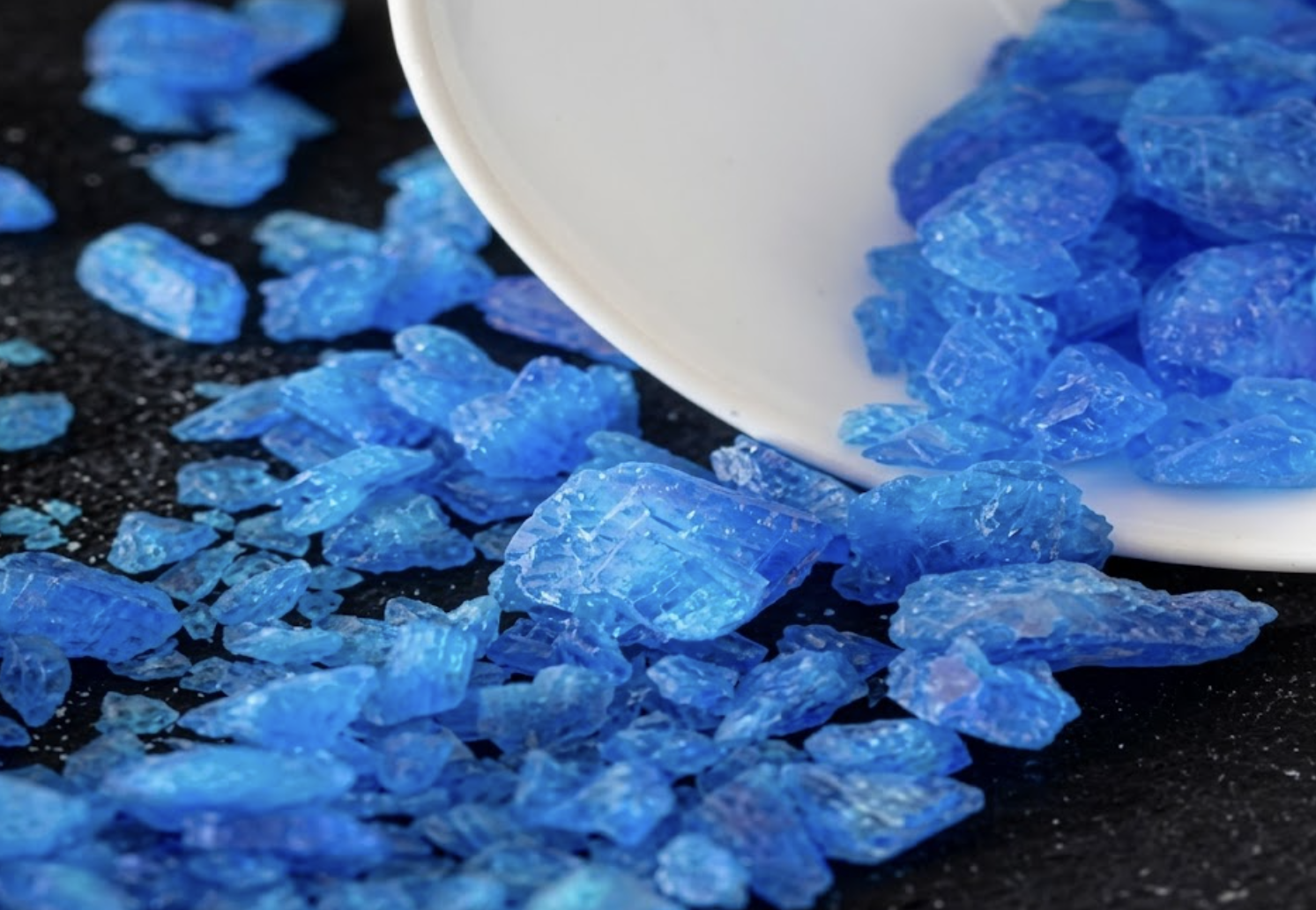
Custom Iminodiacetic Acid Chelating Resin Manufacturer: A Guide to Copper and Nickel Recovery
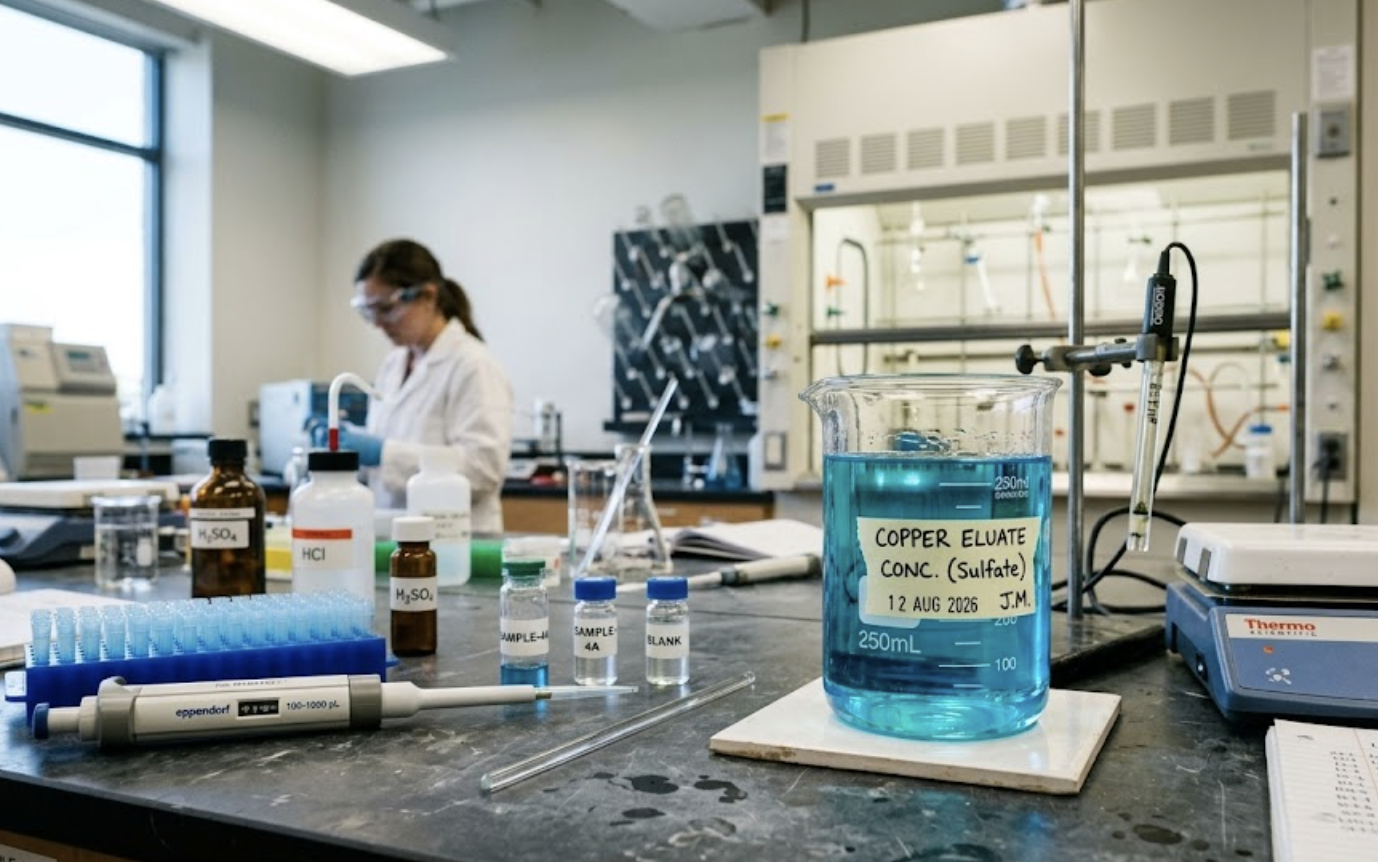
XIAN, SHAANXI, CHINA, August 21, 2026 /EINPresswire.com/ -- Modern hydrometallurgical operations rely heavily on efficient liquid-solid separation to extract valuable non-ferrous metals from low-grade ores and complex recycled feeds. Pregnant leach solutions containing dissolved copper and nickel often exhibit challenging chemical properties, including high acidity and substantial concentrations of competing background cations like iron and aluminum. Traditional extraction methods, such as solvent extraction or precipitation, frequently encounter severe operational limitations when processing dilute rinse waters or complex side streams. To overcome these bottlenecks, mining facilities are increasingly deploying specialized chelating ion exchange polymers. Partnering with a dedicated Custom Iminodiacetic Acid Chelating Resin Manufacturer allows metallurgical engineers to implement tailored extraction media capable of capturing target transition metals with high specificity. By forming stable, highly selective coordination complexes, these functional polymers streamline downstream purification, reduce chemical reagent consumption, and enhance total economic recovery across contemporary metal processing flowsheets.
Process Chemistry: The IDA Ligand Mechanism in Copper and Nickel Extraction
Iminodiacetic acid (IDA) functional groups represent one of the most effective organic ligand structures for selective copper and nickel recovery. The molecular architecture of an IDA ligand features a central nitrogen donor atom flanked by two carboxylic acid groups anchored securely to a polymer bead. When an aqueous solution containing copper or nickel contacts the resin, the central nitrogen and carboxyl oxygen atoms interact simultaneously with the hydrated metal cation. This multidentate binding mechanism creates two interconnected chelate rings around the transition metal ion, yielding exceptional thermodynamic complex stability.
The stability of these IDA-metal coordination complexes varies as a function of solution acidity and metal ionic radius. Divalent copper demonstrates the highest binding affinity among common base metals, forming stable coordinate bonds in acidic feed streams with pH values between 1.5 and 2.0. Divalent nickel binds effectively as solution pH rises toward 3.0 to 4.0. Conversely, light background cations such as sodium, calcium, and magnesium display minimal coordination tendency at low pH levels. Consequently, the IDA resin selectively binds target copper and nickel cations while permitting abundant background salts to pass unimpeded.
Managing trivalent iron competition represents another critical requirement in leach solution purification. Process engineers mitigate iron co-loading by controlling feed stream pH or applying mild reducing conditions. Once the resin bed reaches capacity, operators initiate regeneration using dilute mineral acids. The acidic regenerant protonates the active sites, breaking coordinate bonds and releasing a concentrated, high-purity copper or nickel eluate directly into downstream circuits.
Feed-Tailored Customization: Engineering Matrix Architecture and Functional Density
Standard resin products frequently underperform when introduced to real-world hydrometallurgical feed streams. Industrial leach solutions differ dramatically across mining sites in terms of solution viscosity, suspended solids, temperature, and specific ion ratios. Consequently, engineering the underlying physical and chemical structure of the polymer matrix becomes an essential requirement for achieving long-term field success. Custom resin manufacturing allows polymer chemists to adjust macroporous pore volume, crosslinking density, and functional group distribution to align precisely with site operational parameters.
Pore size distribution directly dictates mass transfer kinetics during continuous column operation. High-viscosity leach streams can impede ionic diffusion into standard microporous structures. By optimizing porogen mixtures during polymerization, custom manufacturers construct a rigid macroporous bead architecture with interconnected pore channels. This tailored pore structure facilitates rapid intra-particle diffusion of copper and nickel cations toward active chelation sites, maintaining high operating capacity even under high volumetric flow rates.
Simultaneously, controlling crosslinking density ensures superior mechanical strength against osmotic shock. Repeated chemical cycles involving acidic stripping generate intense internal osmotic pressures within polymer beads, potentially causing physical breakdown over time. Custom matrix crosslinking provides structural rigidity that prevents bead degradation and column pressure drop increases. Furthermore, optimizing active functional group density enables plant operators to achieve high operating capacities for copper recovery and nickel extraction while maintaining physical durability over extended operating cycles.
Flowsheet Integration: IX Circuit Configurations in Hydrometallurgical Extraction
Successfully incorporating IDA chelating resins into commercial flowsheets requires strategic column configurations and automated fluidic management. Mining facilities typically arrange fixed resin beds into multi-column carousels or continuous ion exchange systems operating in series. Running primary, secondary, and polishing columns sequentially ensures complete metal capture while maximizing total resin loading capacity. As the lead column approaches complete saturation, automated valve manifolds shift the column into elution mode while secondary vessels continue polishing effluent streams without interrupting throughput.
Selective elution protocols further enhance product separation efficiency during chemical stripping operations. Because copper and nickel bind to IDA functional groups with distinct thermodynamic energies, adjusting regenerant acid concentration enables fractional elution. Applying a mild acid wash selectively strips weakly bound nickel first, leaving copper bound to the matrix. Subsequently, a higher-concentration acid wash strips the remaining copper, yielding two distinct, high-purity metal eluate streams from a single ion exchange circuit.
Integrating chelating resin beds directly with downstream electrowinning or precipitation stages creates closed-loop recovery operations. Converting low-concentration leach liquors into concentrated eluates lowers the specific energy consumption of electrowinning cells. Furthermore, recycling barren effluent streams back to heap leach pads minimizes raw water intake and reduces chemical discharge volumes, helping mining operations achieve sustainability goals.
Tailored Synthesis to EPC Delivery: Sunresin’s Hydrometallurgical Partnership
Translating specialized polymer chemistry into profitable industrial operations requires reliable manufacturing standards and comprehensive system engineering expertise. Leading global separation provider Sunresin (Sunresin New Materials Co. Ltd.) meets these industrial challenges by supplying tailored SEPLITE® chelating resins alongside complete system integration capabilities. Manufacturing proprietary polymeric separation media under ISO-certified quality management protocols guarantees high batch-to-batch consistency, uniform particle size distribution, and predictable field performance.
Successful field deployment begins with empirical analytical testing and site-specific process evaluation. Sunresin conducts extensive laboratory feasibility testing, bench-scale column studies, and field pilot trials using real customer leach solutions. These empirical evaluations allow process engineers to determine exact breakthrough curves, optimize column bed height, and fine-tune acid stripping regimens to maximize project economics before full-scale commercial installation.
Beyond specialized media production, Sunresin New Materials Co. Ltd. delivers complete Engineering, Procurement, and Construction (EPC) turnkey solutions for automated hydrometallurgical separation units. Designing custom equipment skids featuring corrosion-resistant materials, automated valve networks, and advanced process control instrumentation ensures seamless integration into existing mining flowsheets. Through ongoing technical support, media lifecycle management, and global field service, Sunresin assists mining enterprises in optimizing metal recovery rates, reducing operating costs, and establishing sustainable processing operations.
For more information regarding custom chelating resin technologies and hydrometallurgical recovery solutions, visit https://www.seplite.com/.
Process Chemistry: The IDA Ligand Mechanism in Copper and Nickel Extraction
Iminodiacetic acid (IDA) functional groups represent one of the most effective organic ligand structures for selective copper and nickel recovery. The molecular architecture of an IDA ligand features a central nitrogen donor atom flanked by two carboxylic acid groups anchored securely to a polymer bead. When an aqueous solution containing copper or nickel contacts the resin, the central nitrogen and carboxyl oxygen atoms interact simultaneously with the hydrated metal cation. This multidentate binding mechanism creates two interconnected chelate rings around the transition metal ion, yielding exceptional thermodynamic complex stability.
The stability of these IDA-metal coordination complexes varies as a function of solution acidity and metal ionic radius. Divalent copper demonstrates the highest binding affinity among common base metals, forming stable coordinate bonds in acidic feed streams with pH values between 1.5 and 2.0. Divalent nickel binds effectively as solution pH rises toward 3.0 to 4.0. Conversely, light background cations such as sodium, calcium, and magnesium display minimal coordination tendency at low pH levels. Consequently, the IDA resin selectively binds target copper and nickel cations while permitting abundant background salts to pass unimpeded.
Managing trivalent iron competition represents another critical requirement in leach solution purification. Process engineers mitigate iron co-loading by controlling feed stream pH or applying mild reducing conditions. Once the resin bed reaches capacity, operators initiate regeneration using dilute mineral acids. The acidic regenerant protonates the active sites, breaking coordinate bonds and releasing a concentrated, high-purity copper or nickel eluate directly into downstream circuits.
Feed-Tailored Customization: Engineering Matrix Architecture and Functional Density
Standard resin products frequently underperform when introduced to real-world hydrometallurgical feed streams. Industrial leach solutions differ dramatically across mining sites in terms of solution viscosity, suspended solids, temperature, and specific ion ratios. Consequently, engineering the underlying physical and chemical structure of the polymer matrix becomes an essential requirement for achieving long-term field success. Custom resin manufacturing allows polymer chemists to adjust macroporous pore volume, crosslinking density, and functional group distribution to align precisely with site operational parameters.
Pore size distribution directly dictates mass transfer kinetics during continuous column operation. High-viscosity leach streams can impede ionic diffusion into standard microporous structures. By optimizing porogen mixtures during polymerization, custom manufacturers construct a rigid macroporous bead architecture with interconnected pore channels. This tailored pore structure facilitates rapid intra-particle diffusion of copper and nickel cations toward active chelation sites, maintaining high operating capacity even under high volumetric flow rates.
Simultaneously, controlling crosslinking density ensures superior mechanical strength against osmotic shock. Repeated chemical cycles involving acidic stripping generate intense internal osmotic pressures within polymer beads, potentially causing physical breakdown over time. Custom matrix crosslinking provides structural rigidity that prevents bead degradation and column pressure drop increases. Furthermore, optimizing active functional group density enables plant operators to achieve high operating capacities for copper recovery and nickel extraction while maintaining physical durability over extended operating cycles.
Flowsheet Integration: IX Circuit Configurations in Hydrometallurgical Extraction
Successfully incorporating IDA chelating resins into commercial flowsheets requires strategic column configurations and automated fluidic management. Mining facilities typically arrange fixed resin beds into multi-column carousels or continuous ion exchange systems operating in series. Running primary, secondary, and polishing columns sequentially ensures complete metal capture while maximizing total resin loading capacity. As the lead column approaches complete saturation, automated valve manifolds shift the column into elution mode while secondary vessels continue polishing effluent streams without interrupting throughput.
Selective elution protocols further enhance product separation efficiency during chemical stripping operations. Because copper and nickel bind to IDA functional groups with distinct thermodynamic energies, adjusting regenerant acid concentration enables fractional elution. Applying a mild acid wash selectively strips weakly bound nickel first, leaving copper bound to the matrix. Subsequently, a higher-concentration acid wash strips the remaining copper, yielding two distinct, high-purity metal eluate streams from a single ion exchange circuit.
Integrating chelating resin beds directly with downstream electrowinning or precipitation stages creates closed-loop recovery operations. Converting low-concentration leach liquors into concentrated eluates lowers the specific energy consumption of electrowinning cells. Furthermore, recycling barren effluent streams back to heap leach pads minimizes raw water intake and reduces chemical discharge volumes, helping mining operations achieve sustainability goals.
Tailored Synthesis to EPC Delivery: Sunresin’s Hydrometallurgical Partnership
Translating specialized polymer chemistry into profitable industrial operations requires reliable manufacturing standards and comprehensive system engineering expertise. Leading global separation provider Sunresin (Sunresin New Materials Co. Ltd.) meets these industrial challenges by supplying tailored SEPLITE® chelating resins alongside complete system integration capabilities. Manufacturing proprietary polymeric separation media under ISO-certified quality management protocols guarantees high batch-to-batch consistency, uniform particle size distribution, and predictable field performance.
Successful field deployment begins with empirical analytical testing and site-specific process evaluation. Sunresin conducts extensive laboratory feasibility testing, bench-scale column studies, and field pilot trials using real customer leach solutions. These empirical evaluations allow process engineers to determine exact breakthrough curves, optimize column bed height, and fine-tune acid stripping regimens to maximize project economics before full-scale commercial installation.
Beyond specialized media production, Sunresin New Materials Co. Ltd. delivers complete Engineering, Procurement, and Construction (EPC) turnkey solutions for automated hydrometallurgical separation units. Designing custom equipment skids featuring corrosion-resistant materials, automated valve networks, and advanced process control instrumentation ensures seamless integration into existing mining flowsheets. Through ongoing technical support, media lifecycle management, and global field service, Sunresin assists mining enterprises in optimizing metal recovery rates, reducing operating costs, and establishing sustainable processing operations.
For more information regarding custom chelating resin technologies and hydrometallurgical recovery solutions, visit https://www.seplite.com/.
Sunresin New Materials Co. Ltd.
+86 29 8669 1600
email us here
Legal Disclaimer:
EIN Presswire provides this news content "as is" without warranty of any kind. We do not accept any responsibility or liability for the accuracy, content, images, videos, licenses, completeness, legality, or reliability of the information contained in this article. If you have any complaints or copyright issues related to this article, kindly contact the author above.